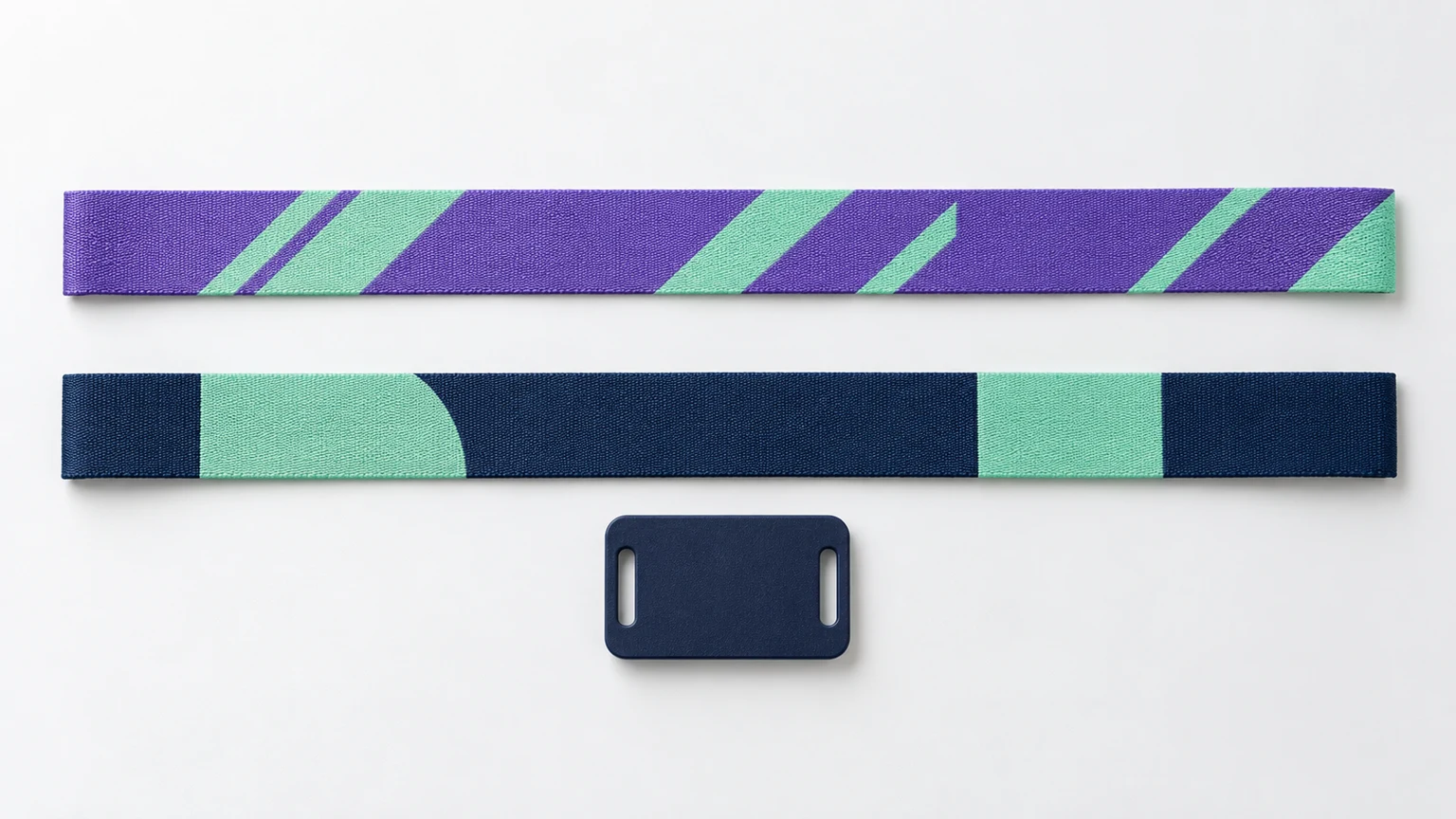
Choose the wearable format, artwork process and removal policy together. Then record the project requirements so the design and system choices can be reviewed without guessing what matters to the event.
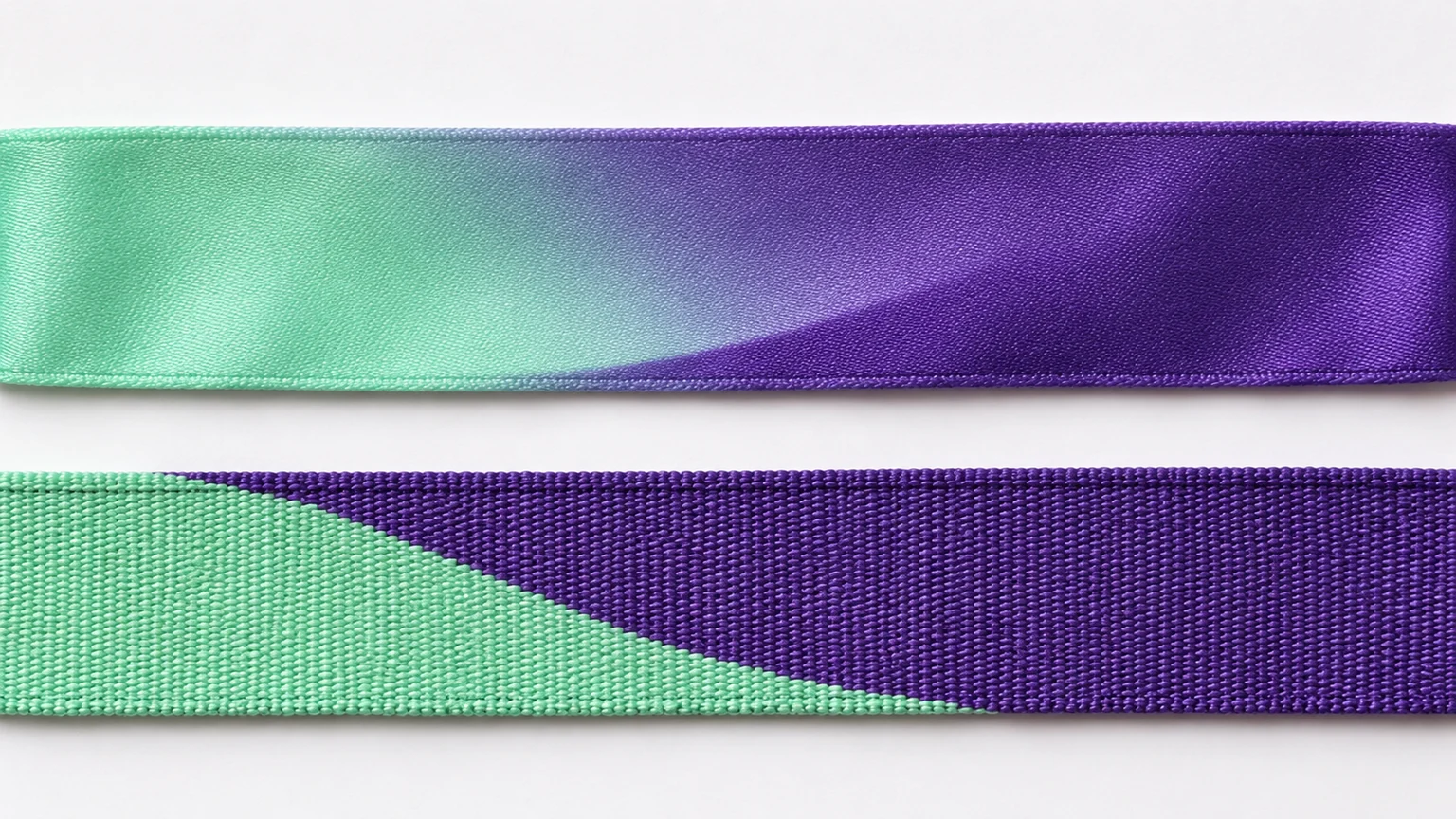
Browse the guidesIllustrative comparison of textile design directions, not a production sample.
Which choice should come first?
Start with how the band will be worn and what it needs to do. The material, fitting and closure affect the wearing experience; the artwork process affects the design. RFID compatibility is a separate requirement that needs the relevant system information.
Choose from the project requirements
Choose the wearing structure before comparing finishes
An adjustable fabric strip, a removable elastic loop, molded silicone and an adhesive disposable band serve different fitting and removal needs. Compare the actual construction and available configuration. The material name alone does not establish single-use security, water performance or system compatibility.Compare the four wristband formats
Match the artwork to the method
BandWove’s printed polyester format uses full-color dye sublimation. Woven artwork is formed by yarns and needs its own interpretation of gradients, lettering and color areas. Neither process name is a universal promise about cost or service life.See printed and woven design differences
Turn the choices into a usable brief
Separate the quantity by size, design and wearer group. Include the destination, requested date, editable artwork and intended RFID interaction. If you need help choosing, record the question rather than selecting an unsupported chip or borrowing another product’s dimensions.Build the project brief
Compare the same artwork as a dye-sublimation design and a yarn-based interpretation, including gradients, lettering, texture and reverse-side choices.
Prepare a useful RFID wristband project brief with wearer groups, artwork, chip and reader requirements, encoding responsibilities and delivery details.